Multivitamin · Gummy
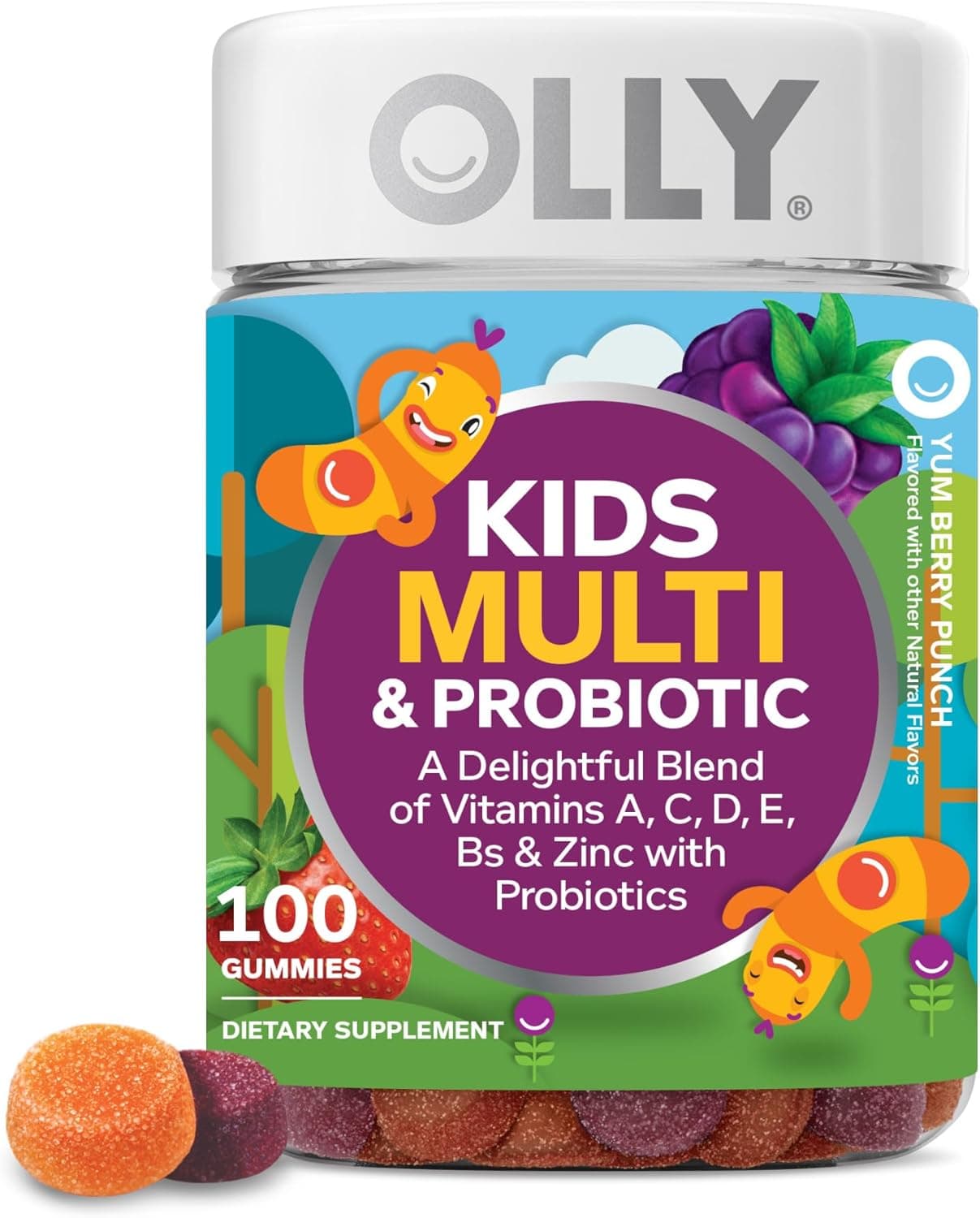
OLLY Kids Multivitamin & Probiotic Gummy — Vitamins A, D, C, E, B, Zinc, Berry, 100 Count
Two-in-one kids’ gummy combining a daily multivitamin with probiotics for families who want fewer bottles. Useful for picky eaters when pediatricians agree supplementation is appropriate.
What stands out
- Probiotic addition differentiates it from basic children’s multis.
- 50-day supply at labeled serving stretches household budgets.
- Berry flavor aids compliance.
Practical considerations
- Pediatric dosing and need for multis vary—ask your child’s clinician.
- Keep gummies out of reach; overdose risk is real with flavored products.
Full review
Dietary supplements are not evaluated by the FDA for safety or efficacy in the same way as drugs. This long-form review is for general education only and is not medical advice, diagnosis, or treatment. Discuss any supplement with a qualified clinician, especially if you are pregnant, nursing, take prescription medications, or have a chronic condition.
Kids’ multi plus probiotic: the two-in-one pitch
OLLY’s kids’ multivitamin and probiotic gummy merges immune-support vitamins (A, C, D, E, zinc) with a chewable probiotic story in a berry-flavored 100-count bottle pitched at parents who want fewer bottles on the counter. Convenience is real: fewer missed doses when everything is one ritual after breakfast. The tradeoff is diagnostic opacity if a child reacts poorly—you cannot tell which half caused the rash or loose stool without elimination trials.
Pediatric nutrient needs vary wildly by age, diet quality, and chronic disease; a mass-market gummy is a blunt instrument compared with individualized dietitian guidance.
When pediatricians say food first
Many healthy children eating varied diets do not require daily multis at all. Picky eating phases often self-resolve; hiding nutrition anxiety in gummies can accidentally teach kids that candy equals health. Ask your clinician whether supplementation is indicated for documented deficiency, restricted diets, or absorption disorders rather than marketing FOMO.
Breastfed infants still need vitamin D drops per AAP-style guidance—this product is not a substitute unless dosing matches neonatal protocols, which it typically does not.
Probiotic strain specificity and CFU humility
Kids’ blends rarely disclose clinically trialed strain counts comparable to infectious diarrhea studies; marketing strains toward “immune health” is legal structure/function language, not guaranteed infection prevention. If your child is immunocompromised, probiotic organisms are not automatically benign.
Rotavirus season hygiene beats gummies for transmission control.
Sugar, dental risk, and sticky texture
Flavored gummies adhere to teeth; brush or at least rinse after school doses. Sugar contributes to caries risk when oral hygiene slips. Compare grams per serving across brands before assuming “vitamin” implies low sugar.
Children with diabetes need carb counting for gummies like any other snack.
Overdose risk and sibling access
Iron-free kids’ multis reduce acute iron toxicity risk compared with adult iron-containing bottles, but massive ingestion of any vitamin A–containing product still warrants poison control contact. Treat supplements like medicines: high shelves, original containers, no cute nicknames that obscure danger.
Teen siblings should not dose themselves from the kids bottle without reading age ranges.
Comparison with Garden of Life adult probiotics
Adult fifty-billion CFU capsules elsewhere in our catalog target different organisms and counts. Do not extrapolate adult microbiome tinkering down to pediatric dosing without evidence.
If your child has IBD, short gut, or central lines, ask specialists before any probiotic.
Disclaimer
Nutcor Lab does not practice pediatrics. This article is informational; supplements are not FDA-approved to prevent disease in children.
Seek care for failure to thrive, chronic diarrhea, or developmental regression.
School mornings, picky eating plans, and sports nutrition myths
Kids’ gummies do not replace breakfast; pairing them with protein stabilizes glucose for concentration better than candy-texture vitamins alone. Travel soccer parents should not assume probiotics prevent norovirus on shared water bottles—hand hygiene still wins. If your child takes chronic anticonvulsants, vitamin D needs may differ from classmates; pediatric neurology guides that nuance.
Reward charts that treat gummies like prizes can undermine intuitive eating; consider non-food rewards.
Teachers should not administer parent-supplied gummies at school without written medical authorization aligned with district policies.
Food insecurity, WIC overlap, and summer lunch programs
Households relying on school meals may still need dietitian-led micronutrient guidance rather than assuming gummies cover seasonal dietary gaps. Summer camp packing lists should distinguish supplements from candy when labeling lunchboxes for counselors. If a child has phenylketonuria, sweetener systems in gummies require specialist approval every reformulation.
Farmers-market vouchers that increase produce access sometimes move iron status more than any bottle when families previously lacked affordable greens.
Pediatric dentists appreciate when schools send home water-bottle reminders alongside any chewable vitamin program so cavity risk does not rise quietly.