Multivitamin · Tablet
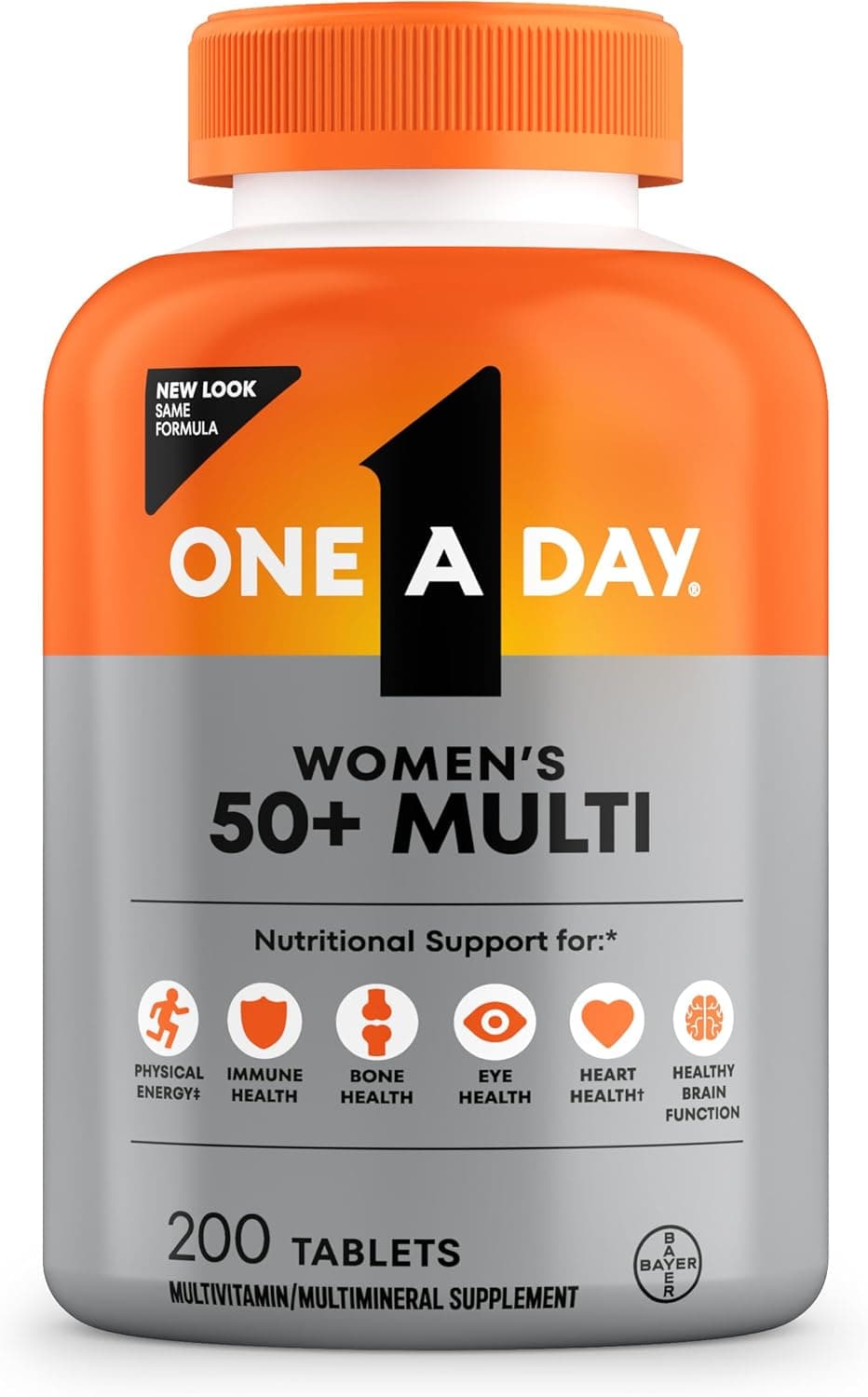
One A Day Multivitamin for Women 50+ — Vitamins D, C, E, Zinc & Biotin, 200 Tablets
Age-adjusted women’s multi emphasizing immune- and vitality-related nutrients like vitamins C, D, E, zinc, and biotin, while tailoring mineral levels for older adults versus younger women’s formulas.
What stands out
- 200-count packaging supports long-term daily routines.
- Balances convenience with age-specific marketing.
- Good baseline product to compare against gummy alternatives.
Practical considerations
- Compare iron content to your personal requirements post-menopause.
- Split with meals if mineral-related stomach upset occurs.
Full review
Dietary supplements are not evaluated by the FDA for safety or efficacy in the same way as drugs. This long-form review is for general education only and is not medical advice, diagnosis, or treatment. Discuss any supplement with a qualified clinician, especially if you are pregnant, nursing, take prescription medications, or have a chronic condition.
One A Day Women’s 50+: age-adjusted tablet strategy
This women’s fifty-plus multivitamin emphasizes vitamins C, D, and E, zinc, biotin, and other micronutrients commonly highlighted in immune and vitality marketing for older adults while generally steering mineral profiles away from the high-iron assumptions of reproductive-age women’s formulas. A 200-count bottle supports long-term daily users who dislike frequent resupply trips and can store tablets safely away from humidity and children.
Postmenopausal iron requirements differ from menstruating years; some users still need iron for documented deficiency, others must avoid excess—labels and labs resolve that tension, not packaging color.
Calcium realities in multis versus dedicated bone products
Tablet multis rarely carry enough elemental calcium to replace dedicated calcium carbonate or citrate regimens prescribed for osteoporosis co-management. If your bone density plan calls for 1,200 mg dietary-plus-supplement calcium, verify how much this multi contributes before assuming coverage.
Calcium spacing from levothyroxine and certain antibiotics remains relevant.
Biotin, beauty culture, and lab safety
Biotin inclusion supports hair-nail marketing but reintroduces lab interference risks if doses are high relative to assays at your hospital network. Pause before planned blood work per local lab guidance, especially for cardiac and thyroid testing.
If you do not need biotin, iron-free low-biotin alternatives exist—ask clinicians.
Vitamin D summation across the medicine cabinet
Older adults often take prescription vitamin D, OTC D, fish oil, and a multi concurrently. Fat-soluble vitamin excess is slower to declare itself than water-soluble excess but still dangerous at extremes. Occasional 25-OH vitamin D levels guide therapy when clinicians worry.
Kidney disease alters how clinicians interpret supplementation.
Comparison with One A Day Women’s Petites
Petites use smaller tablets, sometimes at two per day, for swallowing comfort. Standard tablets may be larger but one-per-day mentally simpler. Neither is inherently superior—adherence wins.
Gummy women’s multis elsewhere in our catalog trade sugar for swallowing ease.
Lifestyle context: bone, muscle, and fall prevention
Vitamin D and calcium conversations mean little without resistance training, balance work, adequate protein, and home hazard reduction for fall prevention. Multis do not strengthen quadriceps.
Blood pressure and glucose control protect kidneys that process everything you swallow.
Disclaimer
Nutcor Lab does not personalize menopause care. Supplements are not FDA-approved to prevent chronic disease.
Seek medical advice for new symptoms or medication changes.
Hormone therapy timing, bone density, and supplement overlap
Menopausal hormone therapy decisions change calcium and vitamin D math; specialists sometimes prefer targeted dosing over generic multis. If you take bisphosphonates or rank ligand inhibitors for osteoporosis, this multi is not a replacement therapy—still coordinate minerals with infusion schedules. Women on aromatase inhibitors for breast cancer may have accelerated bone loss requiring proactive plans beyond any bottle.
Pelvic floor training and resistance exercise protect independence more than biotin milligrams.
Caregivers doling out parents’ pill boxes should reconcile women’s 50+ formulas against cardiac meds to avoid accidental double vitamin K exposures from other stacks.
Pharmacogenomics, polypharmacy, and geriatric fall risk
Older adults on multiple antihypertensives still need slow position changes; vitamins do not fix orthostasis. Pharmacogenomic testing occasionally changes statin choices, which indirectly shifts lipid conversations that multis cannot replace. If you downsize housing, declutter duplicate vitamin bottles during the move rather than packing mystery jars.
Nightlights along hallways and removing loose rugs prevent hip fractures more reliably than any antioxidant slogan on a vitamin label, even when that label mentions bone-friendly minerals.
Vision clinics sometimes bundle fall-risk counseling with updated eyeglass prescriptions because blurrier dusk vision predicts stumbles sooner than vitamin marketing cycles refresh.
Community tai chi classes improve mediolateral balance metrics in trials more consistently than incremental multivitamin formula tweaks, so budget time alongside any bottle purchase.